







Search Results for: Long Extraction
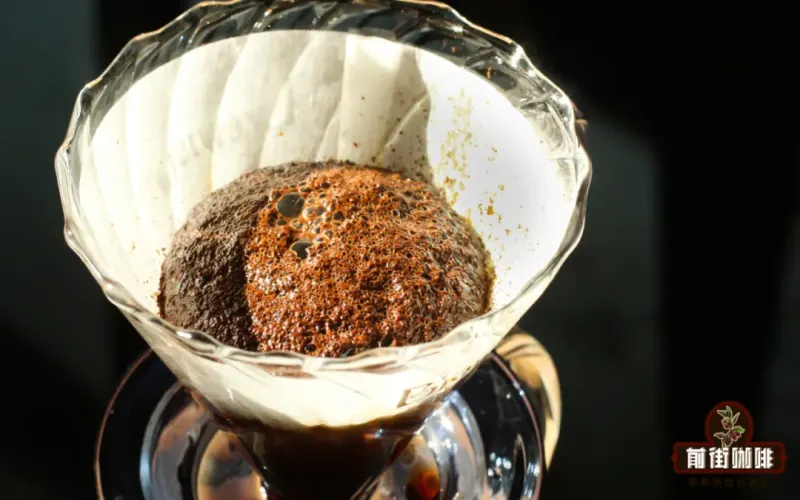
Will an excessively long bloom time in pour-over coffee lead to under-extraction? An experiment comparing the extraction yield difference between 30-second and 90-second blooms.
Many coffee enthusiasts have heard the claim that a long bloom time can lead to under-extraction. This idea seems to contradict our usual understanding of what blooming does. Blooming is meant to release carbon dioxide and improve extraction efficiency, so why would a longer bloom time actually lower the extraction yield? In this article, we compare brewing experiments with two bloom durations—30 seconds and 1 minute 30 seconds—measuring concentration, extraction yield, drawdown speed, and water temperature changes, in an attempt to reveal the true relationship between bloom time and extraction results, and to explore under what extreme conditions an overly long bloom might actually cause under-extraction. [more…]
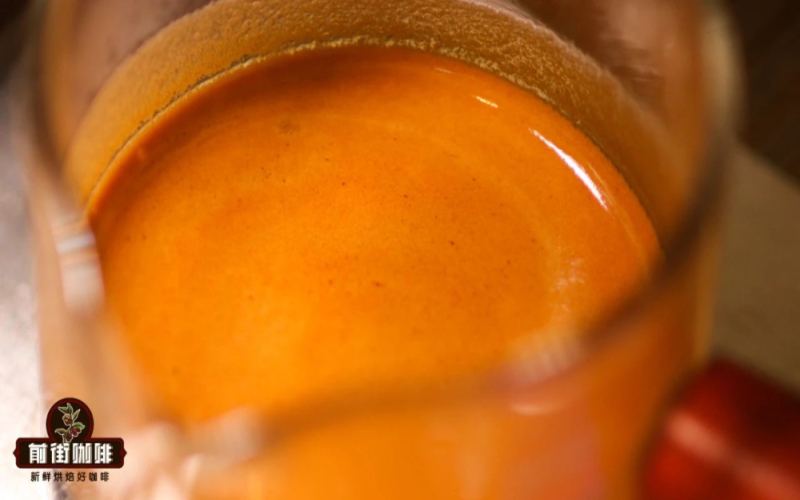
What exactly does a long-shot espresso refer to? An in-depth analysis of the extraction differences and flavor performance between long and short shots.
In coffee shops, Americanos, lattes, and cappuccinos are everywhere, but do you truly understand what espresso means? Does simply adding more water give you espresso? Today, Front Street Coffee will explain in detail the definition of espresso and the difference between long shots and regular extraction. The article will cover the broad and narrow concepts of espresso, the operational key points and flavor characteristics of Ristretto and Lungo, and will also explain how extraction flow rate affects taste, the specific manifestations of under-extraction and over-extraction, as well as new explorations of long extraction methods in the specialty coffee field in recent years. Whether you are a beginner just getting into Italian-style coffee or an enthusiast hoping to refine your extraction technique, this content can help you understand the extraction logic of Italian-style coffee more systematically. [more…]
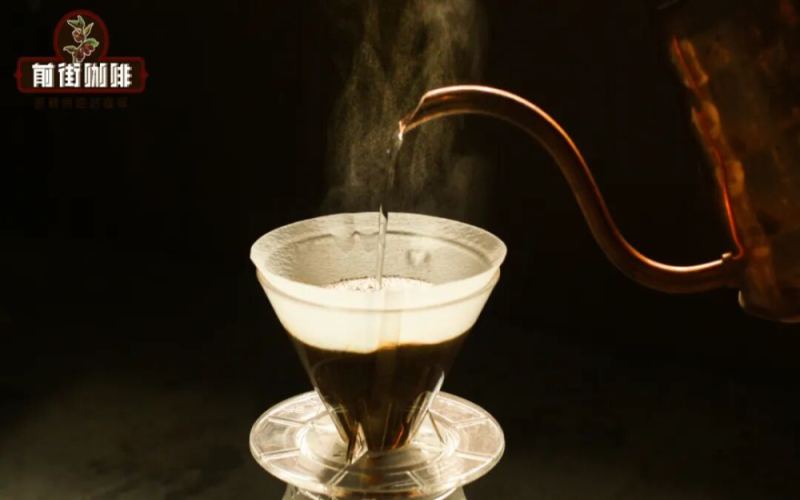
Bloom Duration | Does blooming coffee grounds for too long affect the coffee's flavor? Does a longer bloom increase the extraction yield of pour-over coffee?
Recently, a friend came across a post online: "If the blooming time is too long, it's easy to brew coffee that is under-extracted." Obviously, this statement goes against our long-standing understanding of blooming. Because as everyone knows, the purpose of blooming is to release the carbon dioxide in the coffee grounds, allowing us to more easily extract the coffee. [more…]
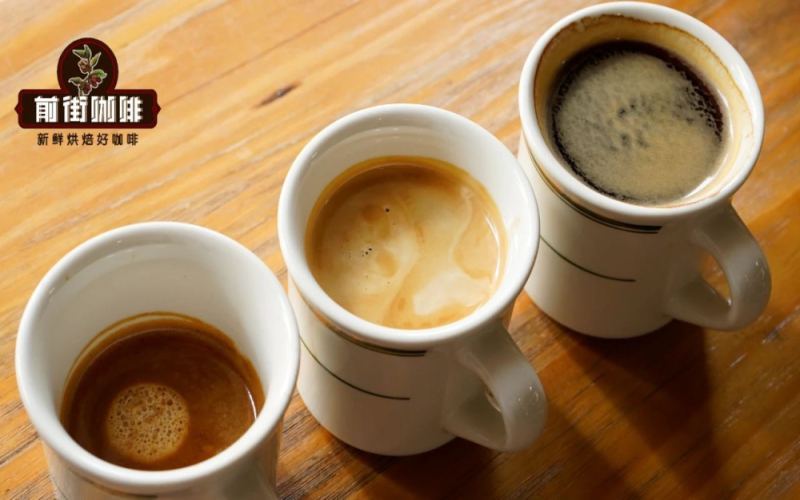
The Advanced Espresso Guide: A Full Analysis of the Extraction Logic and Flavor Differences of Lungo, Americano, and Long Black
In the genealogy of espresso drinks, Americano, Latte, and Cappuccino have long dominated the mainstream view, while Lungo and Long Black have in recent years gradually entered the discussion among coffee enthusiasts, yet are often mistaken for variations of Americano. In fact, these three differ fundamentally in extraction logic, ingredient ratios, and flavor presentation. Starting from Front Street Coffee's daily extraction practice, this article systematically sorts out the definitions, preparation parameters, and taste characteristics of Americano, Lungo, and Long Black, and uses the same Sunflower Warm Sun blend bean as a sample to compare how the three methods bring out different expressions of coffee flavor, helping readers build a clear cognitive framework for espresso drinks. [more…]
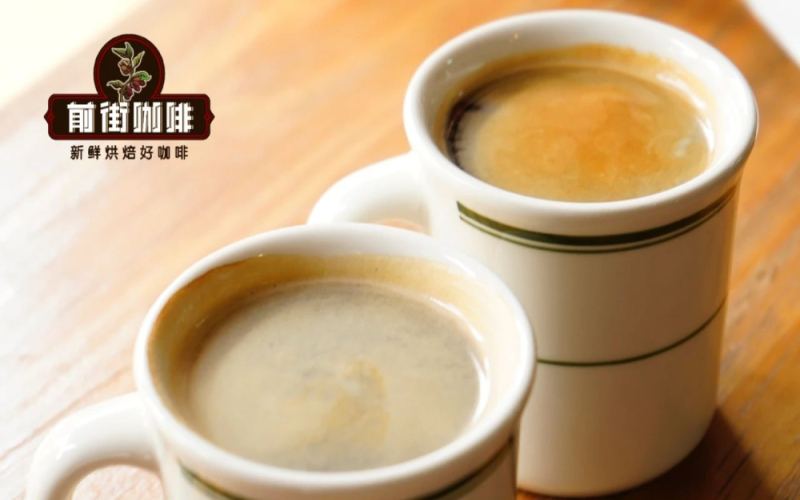
What Is Lungo Coffee? How Does It Differ from Hot Americano and Long Black? A Full Analysis of the Espresso Family
In recent years, many specialty coffee shops have started offering a coffee called "Long Extract." For those not very familiar with the espresso system, this term might be quite unfamiliar. But if we use its original Italian name Lungo, I believe many people would not find it surprising. Lungo is actually a member of the espresso family, standing alongside Ristretto and regular Espresso, with the main difference being the amount of extracted liquid. So how did Lungo come about? How is it different from Americano and Long Black? What details should be noted when making a delicious Lungo? This article will start from the evolution history of espresso, answer these questions one by one, and share Front Street Coffee's suggestions on bean selection. [more…]
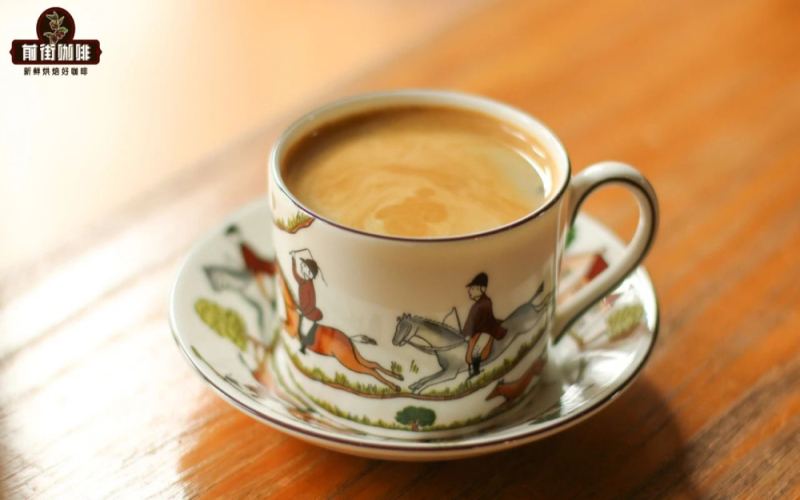
What exactly is Lungo coffee? A comprehensive interpretation from the espresso system to modern extraction
Lungo is often mentioned alongside Long Black, leading many coffee enthusiasts to confuse the two. In fact, Lungo belongs to the espresso family and, like Ristretto, is a type of coffee made directly with an espresso machine without any additional ingredients. Its characteristic is that it obtains more coffee liquid by extending the extraction time, but the concentration decreases accordingly. This article will sort out the historical origins of Lungo, its differences from Long Black and Americano, and how to make a non-bitter Lungo that suits modern tastes by adjusting parameters. It will also introduce the performance of Front Street Coffee's classic espresso blend when making Lungo. [more…]

What is Lungo Coffee? A Full Analysis of Its Differences from Long Black, Ristretto, and Standard Espresso
Many coffee enthusiasts are still unfamiliar with Lungo, and may even confuse it with Long Black. In fact, Lungo, like Ristretto, belongs to the espresso family—both are made directly with an espresso machine without adding any other ingredients. The difference lies in the amount of extracted liquid: a standard espresso uses 20g of grounds to extract about 40ml, Ristretto reduces the liquid to about 30ml to increase concentration, while Lungo extends the extraction time and increases the liquid to about 100ml, with concentration decreasing accordingly. Lungo was born in an era when early espresso machines had pressure of only 1.5~3 bar, and at that time the only way to compensate for insufficient pressure was to extend the extraction. Today, espresso machines are much more efficient, and traditional Lungo tends to be over-bitter, but by adjusting the parameters, it is still possible to make a version that suits modern tastes. In this article, Front Street Coffee will walk you through the origins of Lungo, its differences from Long Black and Ristretto, and how to extract a modern Lungo that isn't bitter. [more…]
How Does Lungo, Long Black, and Americano Differ? A Full Analysis of Espresso Extraction Parameters
In the big family of espresso drinks, Americano, Latte, and Cappuccino have long been well-known classics. However, in recent years, Lungo and Long Black have gradually entered the spotlight of coffee enthusiasts; they are often mistaken for variations of Americano, but in fact each has its own distinct character. Lungo comes from Italian, meaning "long," and is made by extending the extraction to obtain more coffee liquid; Long Black is a favorite among Australians, preserving the crema by adding water first and espresso afterward, delivering a layered taste experience. This article takes Front Street Coffee's Sunflower Warm Sun blend as an example to break down in detail the flavor differences among these three coffees, and includes the standard extraction parameters for espresso, helping you understand their respective characteristics more clearly. [more…]
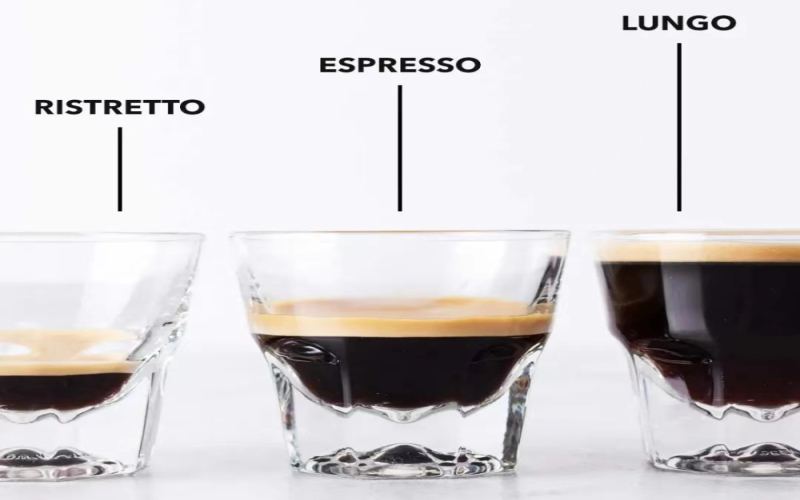
How Does a Long Black Differ from a Lungo and an Americano? A Comparative Analysis of Australian-Style Black Coffee and Lungo Coffee Flavors
In Australia and New Zealand, besides the Flat White, there is another equally beloved black coffee—the Long Black. It contains no milk, yet it is milder than Espresso and carries less of a caffeine burden than Americano, which is why it is so popular locally. Many enthusiasts easily confuse it with Lungo, as the two look similar but actually follow different extraction logic. In this article, Front Street Coffee will sort out the relationship between Lungo, Espresso, and Ristretto, explain Lungo's preparation method and parameter references, and compare the differences in flavor, crema, and concentration among Long Black, Lungo, and Americano, helping readers understand more clearly the essential differences between these black coffees. [more…]
How Exactly Do You Brew Lungo and Long Black? A Full Analysis of the Core Differences from Americano
In the big family of espresso drinks, Americano, Latte, and Cappuccino have long been regulars, while Lungo and Long Black have also gradually entered the spotlight of coffee enthusiasts in recent years, yet they are often mistaken for Americano. What exactly is the difference between them? And how should the brewing ratios be handled? This article will systematically sort out the similarities and differences among Lungo, Long Black, and Americano from the perspectives of extraction principles, coffee-to-water ratios, and flavor expression. At the same time, Front Street Coffee uses the Sunflower Sunshine Blend beans as an example to prepare the three types of coffee separately for comparison, taking you to directly experience the subtle changes in flavor expression of the same bean under three methods: extended extraction, water first then espresso, and espresso first then water. [more…]
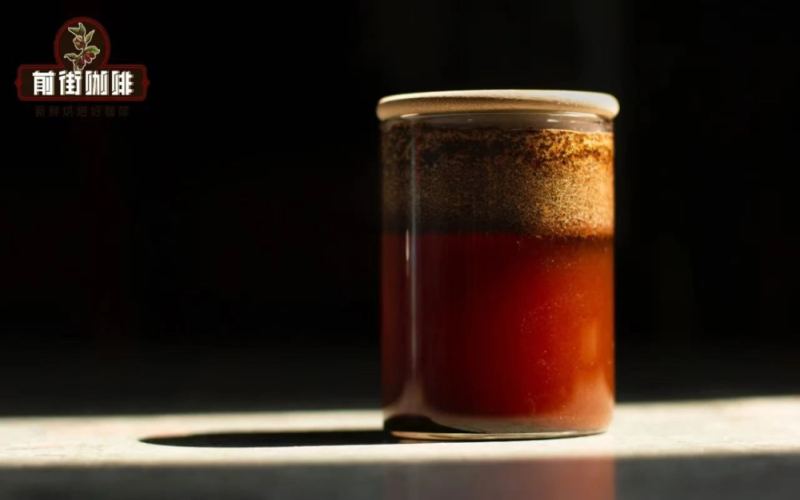
How long should cold brew coffee steep for the best flavor? Pairing grind size with extraction time
Cold brew coffee is an ideal choice for making iced coffee at home, with a high extraction fault tolerance, allowing you to achieve decent flavor performance without professional equipment. But how should grind size and steeping time be paired, what range should the coffee-to-water ratio be controlled within, and how will the flavor differ at different time points? Based on Front Street's practical experience, this article sorts out the complete logic for making cold brew coffee: the recommended coffee-to-water ratio is 1:12 to 1:13, the grind size references pour-over coarseness (70-85% passing rate through a No. 20 sieve), and the steeping time should be controlled between 8 and 24 hours. At the same time, it provides two practical approaches—coarse grind with a long time, and medium-fine grind with a medium-long time—along with the complete cold brew making steps and Front Street bean recommendations. [more…]
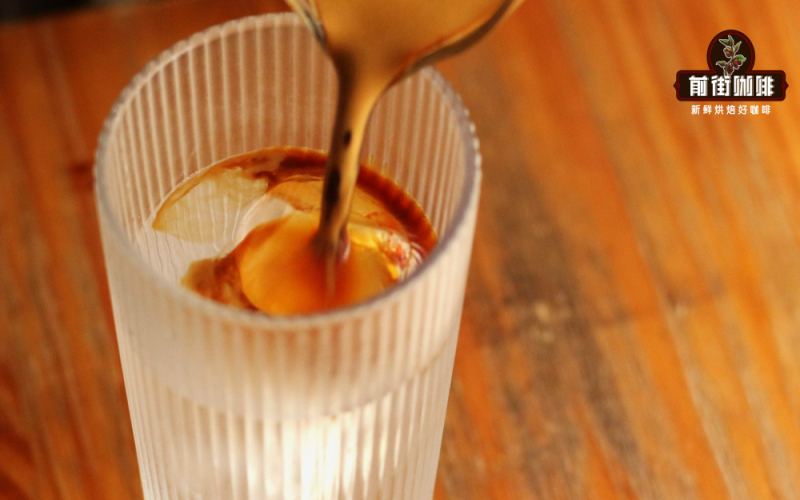
What's the difference between Americano, Long Black, and Lungo? A full breakdown from extraction principles to Front Street Coffee's brewing parameters
Though all are black coffees, Americano, Long Black, and Lungo have completely different extraction logic and flavor profiles. Starting from the origin and definition of Americano, this article sorts out its core differences from Long Black and Lungo in terms of preparation order, volume, and crema, and extends to a comparison with Ristretto, drip-style methods, drinking benefits, and Front Street Coffee's hot and iced drink parameters. Whether you want to clarify the differences among the three black coffees or replicate a stable, delicious Americano at home, you'll find clear answers in this article. [more…]
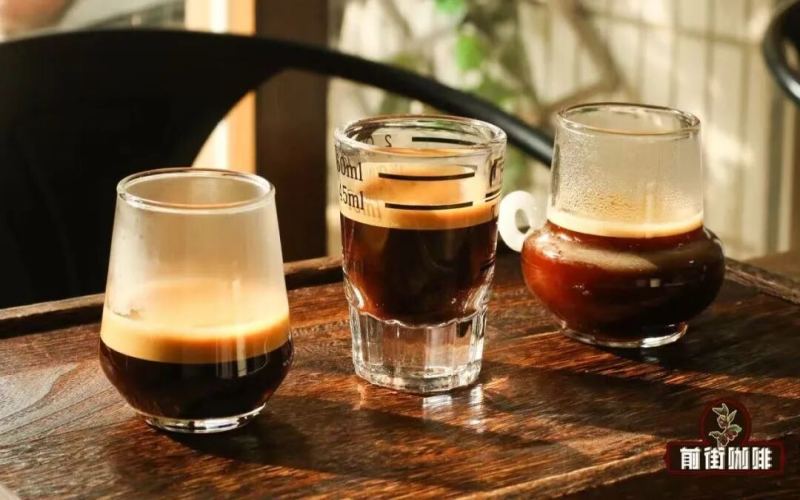
Espresso Coffee Types | What Is a Long Shot? Where Does Lungo Coffee Come From? How Does Lungo Coffee Differ from Regular Espresso?
Recently, many specialty coffee shops have started selling a "niche" coffee—the "Long Extraction." For friends who are not deeply into coffee, Long Extraction can be quite unfamiliar, so recently many friends have often asked Front Street what Long Extraction is. To be honest, Front Street believes that the main reason everyone finds it unfamiliar [more…]

How to distinguish between a Long Black, a Lungo, and an Americano? Production and flavor comparison of three black coffees
Facing Long Black, Lungo, and Americano on the menu, many coffee lovers often can't tell them apart. Although they are all black coffee, their preparation methods and flavor profiles each have their own merits. Long Black is the Australian's unique interpretation of espresso diluted with water, with a smaller cup size and a richer taste; Lungo is an extended espresso obtained by lengthening the extraction time, with a more pronounced bitterness; and Americano is the product of American soldiers diluting espresso to suit their taste during World War II. This article will break down in detail the differences between these three black coffees from the aspects of historical origins, brewing parameters, crema performance, and drinking experience, and cite extraction examples from Front Street Coffee to help you make a clearer choice the next time you order. [more…]
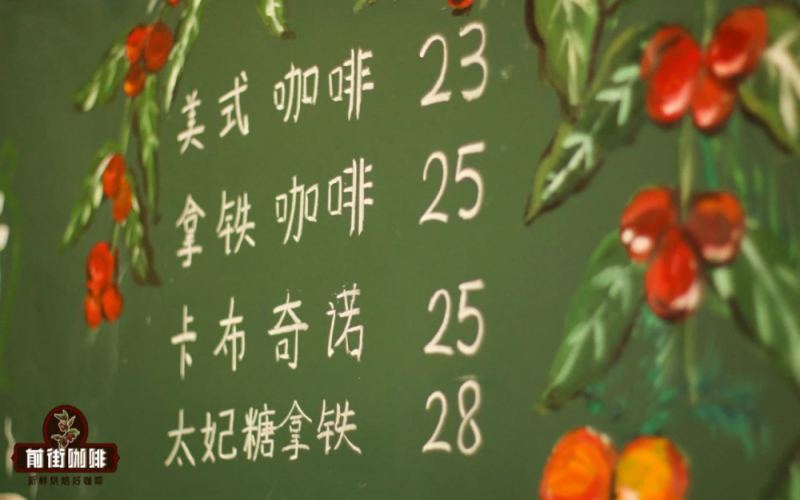
Analyzing the Differences Between Americano and Long Black Coffee: A Comprehensive Comparison from Water Order to Espresso Extraction
As a globally recognized coffee beverage, Americano is essentially nothing more than espresso diluted with water. Yet the Australian Long Black, also made from espresso and water, has its own distinct method and flavor profile. What exactly is the difference between the two? Is the widely circulated claim of "water first, then coffee" accurate? This article, from the perspective of Front Street Coffee, sorts out the real differences between Americano and Long Black in terms of water volume, concentration, and the degree to which crema is preserved, and also introduces the extraction characteristics of Lungo. In addition, for the problem of homemade Americano tasting too sour, practical advice on bean selection and extraction adjustment will be provided, helping coffee enthusiasts gain a more comprehensive understanding of these seemingly simple black coffees, each with its own nuances. [more…]

Comparing Americano, Long Black, and Lungo: Flavor Profiles of Espresso-Based Black Coffee and a Guide to Choosing Italian-Style Beans
Americano, Long Black, and Lungo all share espresso as their base, yet each has its own distinctive character due to differences in water volume, extraction method, and flavor orientation. Front Street Coffee systematically sorts out the differences among these three black coffees from the perspectives of historical origins, preparation order, coffee-to-water ratio, and extraction yield, and further analyzes the trade-off logic of espresso blend beans among price, stability, and flavor. The article also introduces the formulation concepts and suitable applications of Front Street's four espresso coffee beans, helping coffee enthusiasts choose the right everyday beans or beans for café use according to their own needs. [more…]
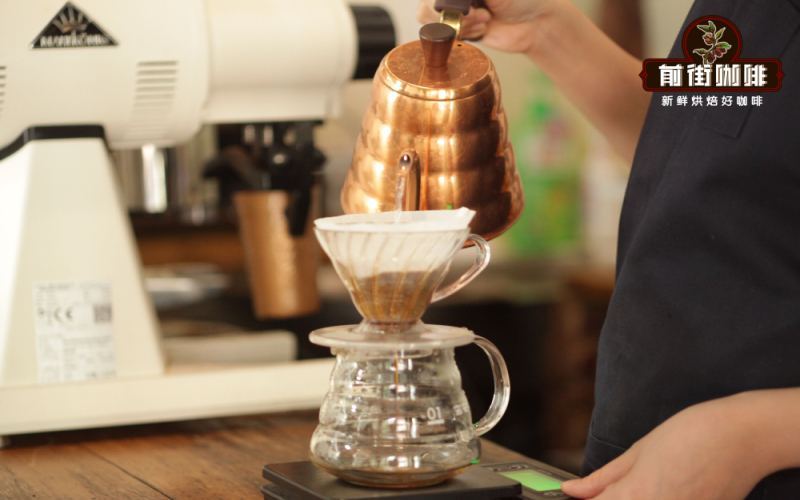
How Long Should Pour-Over Coffee Extraction Take? A Flavor Control Guide for 15g Coffee: 1:50 to 2:30
How long should you brew pour-over coffee for the best taste? This is a question many enthusiasts agonize over again and again. Using a size 01 dripper and 15 grams of coffee as the baseline, this article gives the optimal extraction window of 1 minute 50 seconds to 2 minutes 30 seconds, and starting from the principles of coffee extraction, explains how brew time affects the dissolution of flavor compounds, as well as what taste profiles under-extraction and over-extraction each produce. It also breaks down how three key variables—grind size, dripper type, and pouring technique—specifically affect the flow rate, helping you control timing more consistently in your daily brewing and make a well-balanced cup of good coffee. [more…]
Why Is Americano So Sour? A Detailed Guide to Standard Americano Preparation and Optimal Extraction Parameters
As a classic coffee beverage enjoyed worldwide, Americano seems simple to make—just add water to espresso—yet many people find that their homemade Americano tastes too sour and lacks a rich, mellow body. From the perspective of Front Street Coffee, this article systematically sorts out the real differences between Americano and Australian Long Black in terms of preparation order and water ratio, and further introduces the extraction characteristics of Lungo. At the same time, it offers specific adjustment suggestions for the two main causes of overly sour Americano—too light a roast level and insufficient extraction. The article also recommends coffee beans suitable for making Americano and lattes, such as Front Street Black Cocoa Blend, Front Street Commercial Blend, and Front Street Classic Espresso Blend, helping coffee lovers achieve more stable flavor performance in their daily brewing. [more…]

Guide to Brewing Aged Coffee Beans: Flavor Changes and Parameter Adjustment Strategies for Overly Rested Beans
Do coffee beans really only taste bitter and muddled after sitting for a long time? In fact, as long as they are stored properly, you can still brew good coffee within two months of roasting—the key is understanding how gas loss affects extraction efficiency. Drawing on Front Street's practical experience, this article analyzes the essential reasons behind the flavor decline of stale beans and offers specific solutions such as lowering the water temperature, coarsening the grind, shortening the brew time, and adjusting the coffee-to-water ratio. Finally, using a La Esmeralda Green Label Geisha that has been stored for nearly two months as an example, it demonstrates a complete 1-minute-52-second brewing process to help you still get a cup full of sweetness with no negative flavors even when the beans are not fresh. [more…]

How Long Should Pour-Over Coffee Extraction Take? Is Two Minutes a Hard Requirement? An Analysis of Factors Affecting Brewing Time
How long exactly should the extraction time for pour-over coffee be controlled? Is two minutes truly an unshakable standard? Starting from the relationship between extraction yield and time, this article explains why Front Street recommends 2 minutes ±10 seconds as a reference range, and clarifies the logic behind how this time matches Front Street's current brewing framework. At the same time, the article will sort out which variables directly change the speed at which water passes through the coffee bed during the entire pour-over process, among which grind size is one of the most critical influencing factors. Only by understanding the parameter interactions behind time can you more accurately judge the source of flavor deviations and make effective adjustments. [more…]